
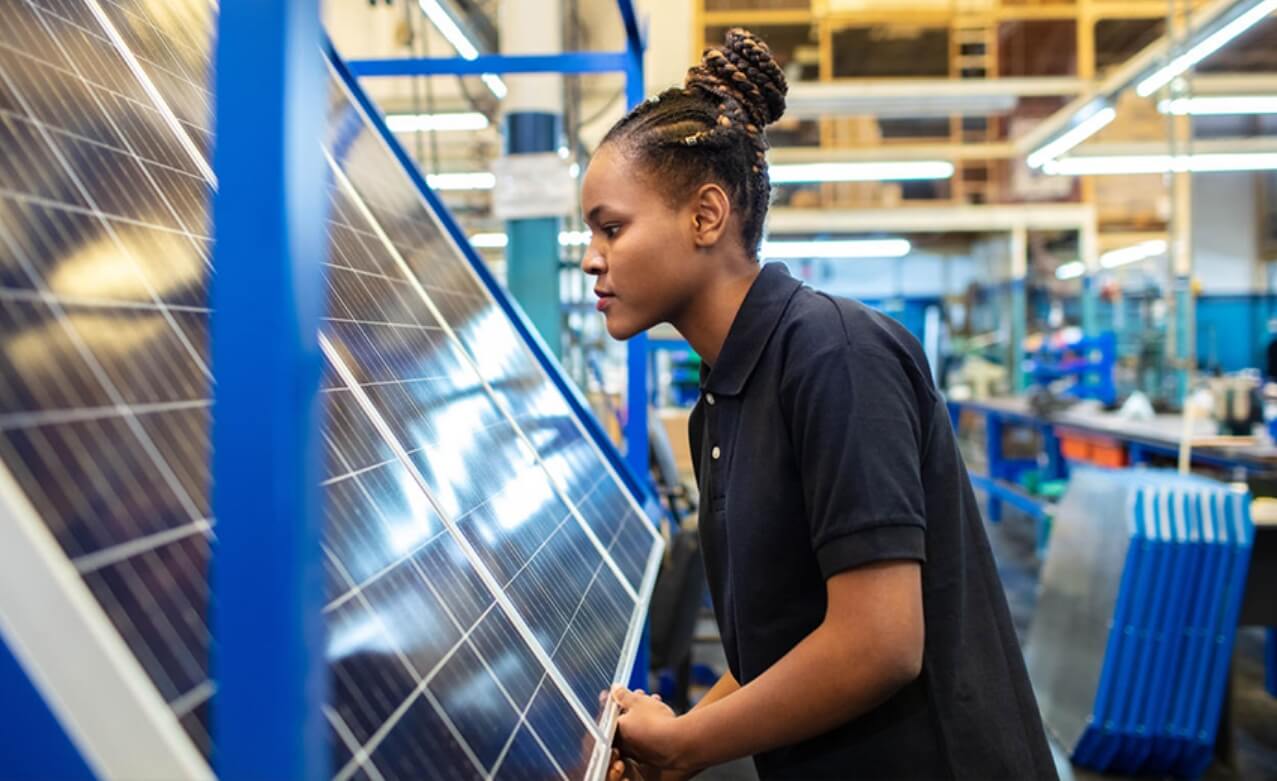
Australia is increasingly turning to solar power as energy prices rise and clean energy becomes more mainstream. If you’re considering installing solar panels (with or without batteries) at home in 2025, here’s a full breakdown of what you’ll pay, what influences those costs, incentives available, and whether solar is a good investment.
What Affects the Cost to Your Home
Solar system price doesn’t depend only on kilowatts. Here are the key factors:
-
System size & capacity: Larger systems cost more, but cost per watt tends to drop with scale.
-
Quality of panels and inverter: Premium/high-efficiency solar panels (e.g. Tier 1 brands) and robust inverters/warranties cost more, but often last longer and perform better in varied conditions.
-
Roof type, tilt, orientation & shading: If your roof has a complex shape, is shaded, or needs special mounting, installation costs rise.
-
Labour, permitting, site access: Roof height, roof material, how easy it is to access roofs, local labour costs, and regulatory fees all add up.
-
Where you live (state/territory): Costs vary by state. For example, Darwin tends to be more expensive for panels compared to Perth or Adelaide. Incentives also differ.
-
Timing & demand: Global material costs, solar panel demand, shipping, and supply chain disruptions can affect pricing.
Government Rebates, Incentives & Policies
These help reduce upfront costs significantly:
-
Small-scale Technology Certificates (STCs): A federal scheme that gives you credits / a discount based on how much your system is expected to generate. Most quotes already reflect STC discount
-
State / territory-based rebates or programs: Many states offer additional subsidies or loans for solar systems; some provide further support if you add battery storage. For example, Victoria and New South Wales have had programs to reduce the cost of solar panels and/or batteries.
-
“Cheaper Home Batteries” program (federal) aims to reduce battery installation costs by ~30%.
Payback Time & Return on Investment
How long before your solar system pays for itself depends on:
-
Your electricity usage / bill (how much you pay now, peak rates etc.).
-
How much of your solar power you use vs how much you export to the grid. Using more during peak times means better savings.
-
Feed-in tariffs (what your electricity provider pays you for surplus power fed into the grid).
-
Degradation / maintenance costs.
-
Whether you added a battery (batteries can extend usable hours but add cost).
Typical payback periods in 2025 for a medium-size system (6-6.6 kW) are often 4-7 years in good sun locations, especially if usage patterns are favourable. With batteries, the payback can be longer (maybe 8-12 years depending on battery size, cost, and how you use it).
Example Costs & Scenarios
Here are a few realistic examples / scenarios to help you see what you might pay and save.
| Scenario | System size | Cost (after rebates) | Battery added? | Payback estimate* |
|---|---|---|---|---|
| Modest household (couple or small family) | 3-5 kW | ~$4,000-$6,000 | No | ~5-7 years |
| Average household (4-5 people, typical appliances) | 6-6.6 kW | ~$5,500-$8,500 | No | ~4-6 years |
| Large home, pool, EV charging | ~10 kW | ~$9,000-$13,000 | No | ~5-8 years |
| Adding battery (10-15 kWh) | Plus ~$8,000-$15,000 for battery | Yes | Less — maybe 8-12 years depending on usage |
*Payback estimates assume stable electricity price growth, regular solar generation, good orientation, and modest maintenance. Your results will vary.
Is Solar Power Worth It in Australia in 2025?
In most cases, yes — especially for households with moderate to high daytime electricity usage, or those who plan to charge EVs, or expect to use more power in the day. Benefits include:
-
Lower electricity bills: Generating your own electricity reduces what you buy from the grid.
-
Hedge against rising electricity prices. Utility rates tend to increase over time.
-
Improved home value: Solar panels (and batteries) often add value when selling, especially as prospective buyers value energy savings.
-
Environmental benefits: Less reliance on fossil fuels; lower carbon footprint.
However, whether it’s a good fit depends on:
-
Whether your roof is well-oriented and has minimal shading.
-
Whether you can use the solar during peak times (or have some way to store it).
-
How much you currently pay for electricity. If your electricity rates are already very low, the savings might be slower.
-
Capital availability: if you pay upfront vs finance/or loan, that affects your overall return.
Tips to Reduce the Cost
To make solar more affordable, you can:
-
Get multiple quotes from Clean Energy Council-accredited installers.
-
Choose a system size aligned to your usage (don’t over-size significantly if you won’t use much of the output).
-
Use standard, good quality components rather than premium brands unless the price difference and performance justify it.
-
Consider doing some of the preparation (roof reinforcement, electrical readiness) beforehand to reduce complexities.
-
Take advantage of all available rebates/incentives (federal + state + maybe local).
-
Time the purchase to avoid peak demand / supply chain delays; sometimes installers have “off-peak” periods where costs are lower.
-
Explore financing / loans that are favourable, or government low-interest loan schemes in states where available.
What to Watch Out For
As you plan, don’t overlook:
-
Hidden costs: Roof repair, structural reinforcement, electrical wiring upgrades, permits.
-
Maintenance: Even though solar systems are relatively low maintenance, inverters may need replacement after ~10-15 years. Panel cleaning etc.
-
Warranty and performance guarantees: Check manufacturer warranties for panels and inverters (both product warranty and performance warranty).
-
Feed-in tariff changes: These can affect how much you earn if you export power. Rates may vary by state or change over time.
-
Battery cost-effectiveness: Batteries are useful but expensive; their economics depend heavily on how/when you use power.
Outlook: Cost Trends & What to Expect Going Forward
-
Prices per watt have been gradually declining but at a slower rate because many cost reductions (in manufacturing, materials) have already been realised.
-
The step-down in STCs (and possibly incentives) over future years means that waiting may make some rebates smaller. That can increase gross installs costs unless other incentives compensate.
-
Battery storage is becoming more accessible, especially with new government programs helping reduce cost. This means more households might shift to solar + battery.
-
As electricity prices rise, the savings from going solar become more compelling, reducing payback time.
Conclusion
If you’re a homeowner in Australia considering solar in 2025, solar power is more affordable than many expect and likely to be a good investment, especially if you have good sun exposure, daytime electricity usage, or plan to use it for EV charging or other high-usage scenarios. Buying solar now means taking advantage of current rebates and locking in savings early, though adding a battery pushes up cost significantly and lengthens payback.
Before deciding, get local quotes, check rebates and tariffs in your state, and run the numbers for your household’s usage. With a well-chosen system, you can expect to reduce your power bills meaningfully and make solar pay for itself in a few years.






Comments are closed