
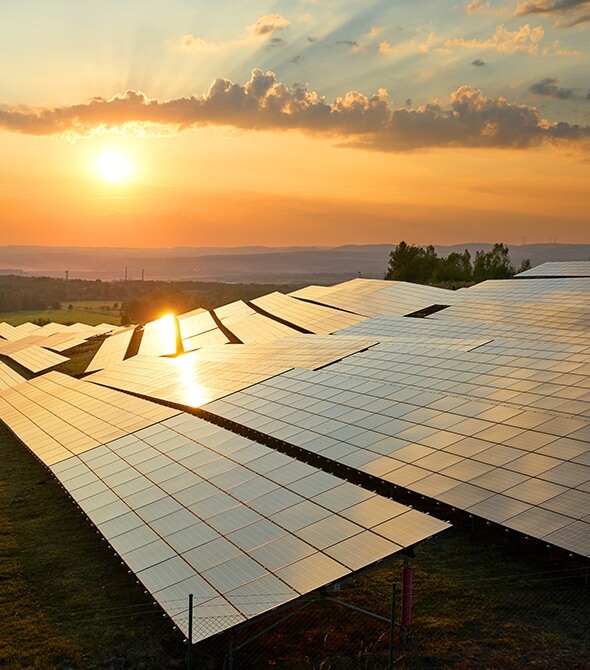
Energy bills have a way of creeping up on us. One month, you’re comfortable with what you’re paying; the next, you’re wondering how running a few lights and the AC could cost that much. The truth is, electricity costs are rising steadily, and households are feeling it. But there’s a bright spot — literally. Solar energy is no longer a futuristic dream or an expensive luxury. It’s a real, practical way to cut costs and clean up your monthly bill.
Let’s break down how to take advantage of the sun’s free power with smart, actionable solar tips that can make a visible difference in your energy costs and your carbon footprint.
1. Know Where Your Energy Goes
Before you jump into solar panels and savings calculators, it’s smart to understand your home’s energy habits. Most homeowners don’t actually know what eats up their power the fastest. In many homes, heating and cooling make up nearly half of total energy use. Water heaters, refrigerators, and lighting follow close behind.
Pull up your last three utility bills and check the “usage” section. If your bill doesn’t break it down clearly, there are smart plugs and energy monitors that can show you which devices are draining the most power. Once you know your consumption pattern, you can size a solar setup that makes sense — instead of overpaying for extra capacity or underestimating what you need.
2. Start Small with Portable or Plug-In Solar
If you’re not ready to invest in rooftop panels, dip your toes in with smaller solar options. Portable solar kits or plug-in solar panels can connect directly into your home’s outlets, offsetting a portion of your energy use. They’re perfect for renters or homeowners who want to start seeing results before going all in.
A small 400- to 600-watt setup can easily power a few lights, a laptop, or your home office. Over time, those little savings add up — especially if you’re working remotely and your power bill has spiked since you started spending more time at home.
3. Optimize Before You Solarize
Here’s a pro tip most people miss: the cheapest watt of power is the one you never have to generate. Before you install solar, tighten up your home’s energy efficiency. Swap out old incandescent bulbs for LEDs. Seal leaks around windows and doors. Add insulation in the attic.
Each of these upgrades lowers the amount of energy your solar panels need to replace. That means you can install a smaller, less expensive solar system and still cover your energy needs. It’s like trimming the fat before building muscle — your solar power will go further and perform better.
4. Take Advantage of Tax Credits and Rebates
Governments are practically paying people to go solar right now. The U.S. federal solar tax credit, for example, allows you to deduct up to 30% of your solar installation costs from your taxes. Many states and utility companies also offer additional rebates, net-metering credits, or low-interest financing programs.
Check the Database of State Incentives for Renewables & Efficiency (DSIRE) or your local energy provider’s website to see what’s available in your area. These incentives can reduce your upfront costs by thousands of dollars — and they won’t last forever. Acting while the credits are still in place makes financial sense.
5. Consider Battery Storage for Maximum Savings
Solar power is great during the day, but what about when the sun goes down? That’s where battery storage comes in. A solar battery stores excess power your panels generate during daylight hours so you can use it at night or during outages.
While batteries can add to the initial cost, they maximize your independence from the grid. You’ll rely less on your utility company’s evening rates — which are often the most expensive — and you’ll have backup power when the lights go out in your neighborhood. For many families, that peace of mind alone is worth the investment.
6. Think Beyond the Roof
If your roof isn’t ideal for solar panels — maybe it’s shaded or faces the wrong direction — you still have options. Ground-mounted solar systems can be installed in a sunny area of your yard. Some communities also offer “solar gardens” or shared solar programs that let you buy or subscribe to a portion of a larger solar array nearby.
These alternatives make solar accessible even if your home’s roof isn’t a perfect fit. Plus, ground systems can often be positioned for maximum efficiency since you’re not limited by your home’s structure.
7. Maintain for the Long Run
Solar panels are famously low-maintenance, but that doesn’t mean you should forget about them. Keep the surface clean — dust, pollen, and bird droppings can block sunlight and reduce efficiency. A gentle rinse with a garden hose every few months can make a noticeable difference.
It’s also smart to check your system’s monitoring app regularly. Most modern setups come with software that tracks how much energy your panels are producing each day. Sudden drops in output might mean it’s time for a professional inspection or a quick cleaning.
8. Combine Solar with Smart Home Tech
To squeeze every last bit of efficiency from your setup, pair solar with smart devices. Smart thermostats can learn your habits and adjust your heating and cooling schedules to match when your solar system is producing the most energy.
Similarly, smart plugs can schedule appliances like washing machines or dishwashers to run when your panels are generating peak power — maximizing your solar use and minimizing grid reliance. Think of it as having a digital energy assistant that works in sync with the sun.
9. Track Your Savings — and Celebrate Them
Switching to solar isn’t just about installing panels and forgetting about it. Keep a running log of your energy bills before and after solar. The drop in costs will surprise you — and seeing the actual numbers makes the investment feel real.
Many homeowners report saving 50% or more on their electricity bills once their system is up and running. Over time, those savings can pay off your installation and then start generating pure profit — all while reducing your home’s carbon footprint.
The Bottom Line
Cleaning up your energy bill with solar isn’t just about chasing lower numbers on your statement — it’s about taking control. With the right strategy, you can protect yourself from rising utility rates, add value to your home, and make a tangible impact on the planet.
Start with small, smart steps: improve your home’s efficiency, explore incentives, and scale your solar investment to fit your lifestyle. Every watt you generate is one less you have to buy — and that’s a win for both your wallet and the world.






Comments are closed